Fashion
Coco Chanel was born on August 19, 1883 in France. When her mom died, her dad sent her to an orphanage where she was raised by two nuns who taught her to sew. She opened her first shop in 1910 in Paris selling hats. Later on she opened up two more shops and began making clothes. In the 1920s she created her first and most famous perfume, Chanel No. 5. This was the first perfume to have the designer’s name in its title. She introduced the famous Chanel suit in 1925, a collarless jacket and a fitted skirt. Chanel also designed the first essential little black dress, a color associated with sadness now representing evening fashion and beauty. The depression of the 1930s and the start of World War II caused her to shut down business and leave the fashion industry until 1953 at the age of 70. Coco Chanel died on January 10, 1971, at the Hotel Ritz in her apartment. She was never married.
Elsa Schiaparelli was born on September 10, 1890 in Rome. She was the great- niece of Giovanni Schiaparelli, the man who discovered canals on Mars. She got married at the age of 18 to William de Wendt de Kerlor. He left her when she gave birth to their daughter. She went to Paris in search of a job so she could support herself and her daughter. One day she designed a black sweater with a bow at the neck that gave her much success. When she got a large order for them along with 40 skirts to match, she hired Armenian women to knit them. She rented a studio to design her sportswear. She died in Paris on November 13, 1973. Her house was re-opened as an exhibit in September 2003 and her perfumes and lingerie are still sold today.

By: Natalie Crow
Fashion:
 During the twenties, a new idea emerged for women: the flapper was an emancipated young woman who embraced the new fashions and urban attitudes of the day. Usually they wore close-fitting felt hats, bright waist less dresses an inch above the knees, skin-toned silk stockings, sleek pumps, and strings of beads. Women also clipped their long hair into boyish bobs and dyed it jet-black. Women's attitudes also changed tremendously in the 1920's women became more assertive. Some began smoking cigarettes, drinking in public, and talking openly about sex. They danced the fox trot, camel walk, tango, Charleston, and shimmy with abandon. Because women became more assertive, attitudes toward marriage changed. Middle-class men and women began to view marriage as a more equal partnership. Young men in the 1920's also changed their style and their fashions were just as outrageous as women. They would wear baggy pants or knickers, a bright snappy hat, and a bow tie.
Fads:
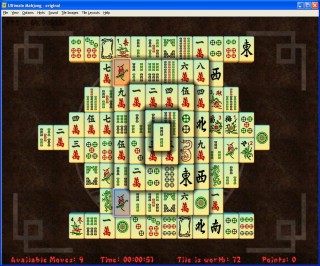 In the 1920's people followed the latest fads and crazes. Most followed these fads to forget about the war and the terrible memories with it. Fads did not last long and were dropped as quickly as they were picked up. Most fads in the 1920's included dances, fashion, games, or sports. One of the first fads of the 1920's was the Chinese game Mahjong, which was a combination of dice and dominoes. Mahjong became very popular across North America and people even had Mahjong parties. They would import Chinese decorative to create the atmosphere. However the fad quickly died by 1927.
By: Layla Amiri
